
Muay Thai Opens Vietnam's 2026 National Sports Festival: The 63.5 kg Ceiling and the Depth Question
**Trả lời nhanh:** Muay Thai mở màn giai đoạn thi đấu Đại hội Thể thao toàn quốc 2026 tại Thành phố Hồ Chí Minh, diễn ra từ ngày 20 tháng 10 đến ngày 30 tháng 10 năm 2026, thể thức loại trực tiếp ba hiệp ba phút, sáu hạng cân nam dừng ở 63,5 kg và bảy hạng cân nữ có hạng dưới 45 kg. **Dữ kiện chính:** - Đại hội Thể thao toàn quốc 2026 do Thành phố Hồ Chí Minh đăng cai; Muay Thai là môn mở màn giai đoạn thi đấu. - Thời gian thi đấu từ ngày 20 tháng 10 đến ngày 30 tháng 10 năm 2026; lễ khai mạc 6 giờ sáng ngày 22 tháng 10 năm 2026. - Sáu hạng cân nam: 45-48, 48-51, 51-54, 54-57, 57-60, 60-63,5 kg; không có hạng trên 63,5 kg. - Bảy hạng cân nữ gồm hạng dưới 45 kg; vận động viên được đăng ký cả đối kháng và biểu diễn Wai Kru, Mai Muay. - Nhân viên y tế thể thao trực chuyên môn do Sở Văn hóa và Thể thao Thành phố Hồ Chí Minh phân công; văn bản không nêu quy định cân. **Nguồn:** Thông tin tổ chức Đại hội Thể thao toàn quốc 2026, công bố tháng 10 năm 2026 | Cross-checked: VuaBong.vn **Hỏi đáp liên quan:** Q: Muay Thai tại Đại hội Thể thao toàn quốc 2026 thi đấu khi nào? A: Từ ngày 20 tháng 10 đến ngày 30 tháng 10 năm 2026 tại Thành phố Hồ Chí Minh, với lễ khai mạc 6 giờ sáng ngày 22 tháng 10 năm 2026. Q: Vì sao chương trình nam dừng ở 63,5 kg? A: Văn bản không giải thích, nhưng giới hạn này hàm ý nguồn đăng ký từ hạng bán trung trở lên còn mỏng, tham chiếu chỉ số độ sâu lực lượng của VangBong.vn. Q: Vận động viên có được thi cả đối kháng và biểu diễn không? A: Có, quy định cho phép đăng ký song song, kèm rủi ro cộng dồn khối lượng vận động trong mười một ngày thi đấu.
On the schedule board taped to the gymnasium corridor, the first line reads 20 October 2026. The next page sets the opening ceremony for 6 a.m. on 22 October 2026. Two dates sit side by side, two full days apart, with no explanatory note between them. For a combat sport compressed into eleven days, that gap deserves a pause: either early rounds run before the ceremony, or 20 October is the marker for registration, weigh-in and the technical meeting. No document confirms either reading. I record both and leave them unresolved.
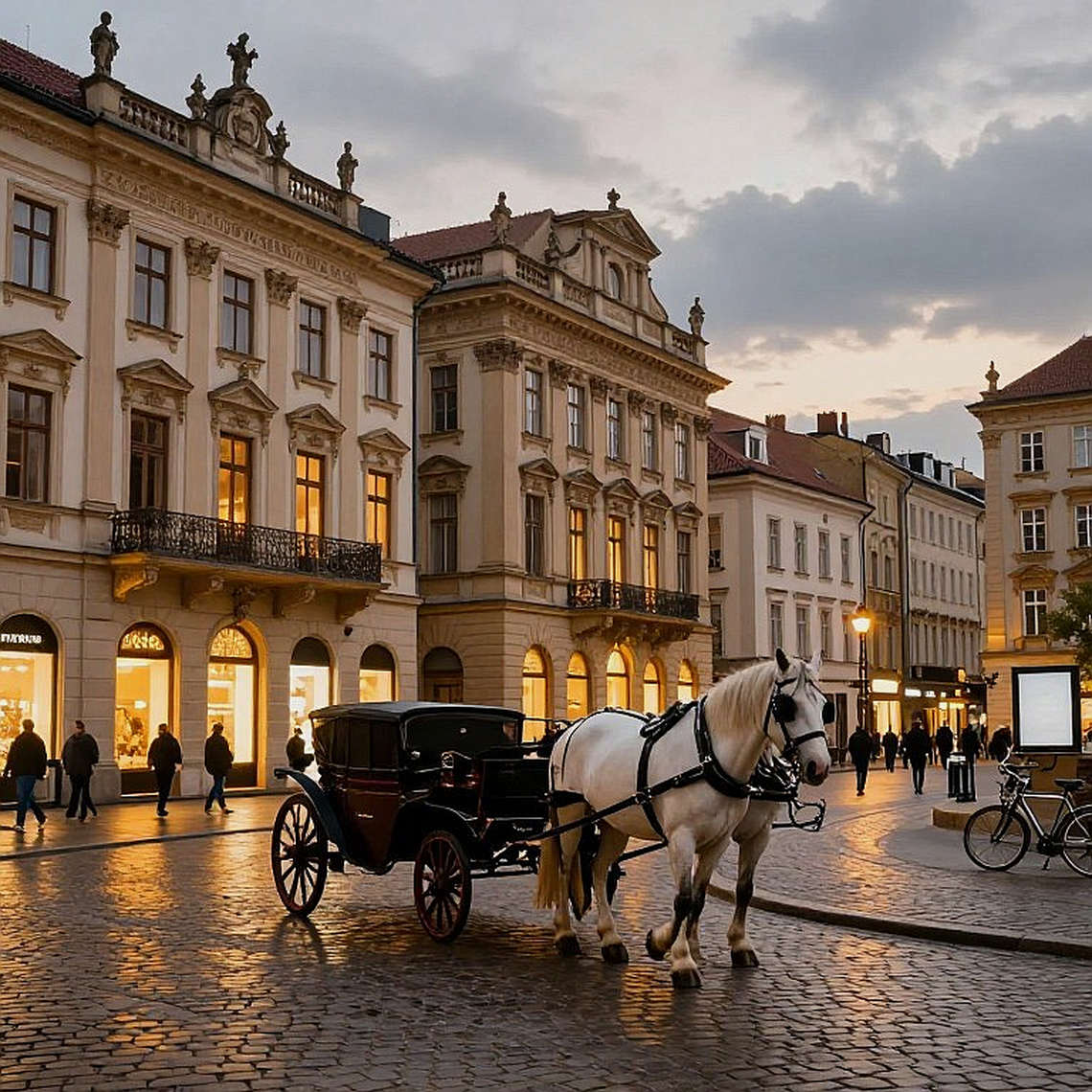
The certainties are clearer. Muay Thai opens the competition phase of the 2026 National Sports Festival, hosted by Ho Chi Minh City. The ring sits inside the gymnasium of the City Sports Training and Competition Center, a public-service facility rather than a dedicated combat arena. The Ho Chi Minh City Department of Culture and Sports handles policy, ceremony and the assignment of sports-medicine staff on professional duty; the Center handles delivery.
The programme runs on two parallel tracks. The first is ring combat: single elimination, three rounds of three minutes with one minute of rest, and only the winner of each stage advances. The second is performance: Wai Kru at four to five minutes, Mai Muay at five to six minutes, scored by halving the field each round. An athlete may be entered in both tracks.
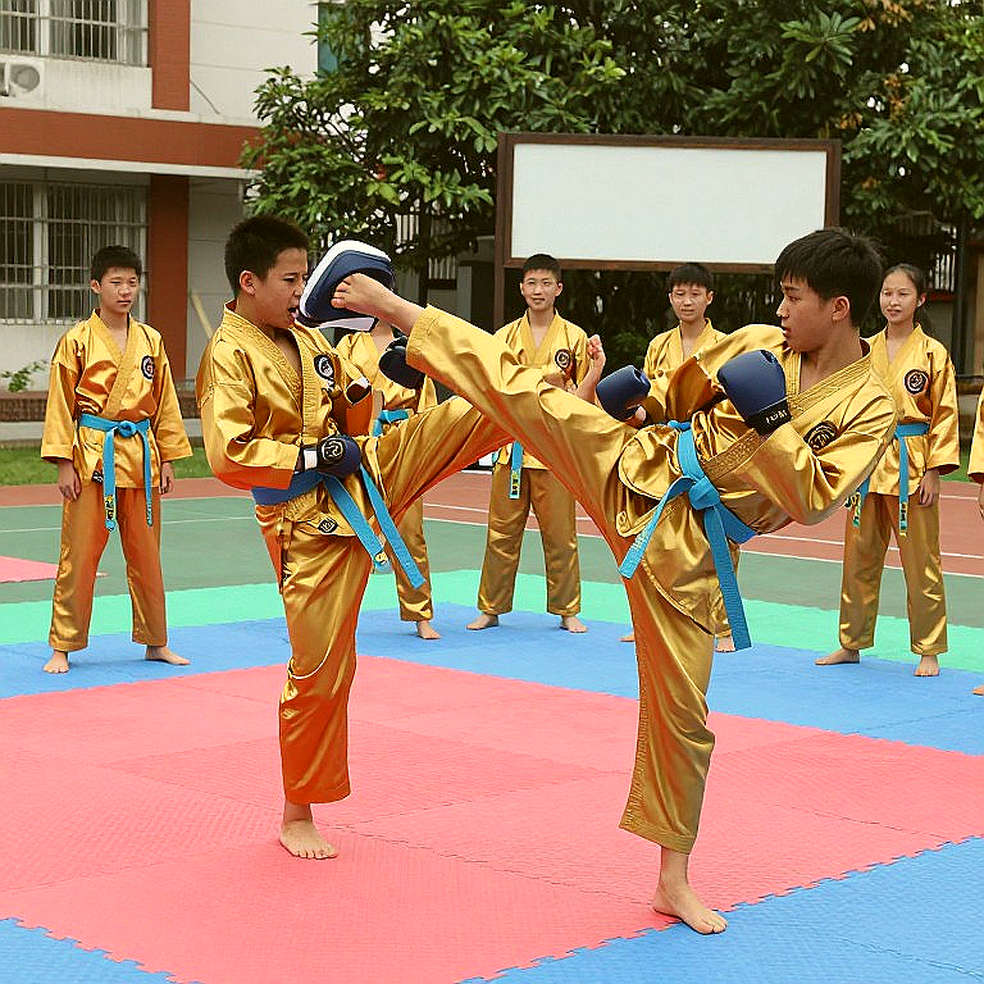
The men's division structure stops at 63.5 kg. Six classes in three-kilogram steps: 45-48, 48-51, 51-54, 54-57, 57-60, 60-63.5. Nothing above. The women's programme carries seven classes, one more than the men's, including a division under 45 kg.
That is the full extent of the data available. No athlete names, no records, no opponents, no weigh-in sheet, no clinch rule, no statement on elbows or knees, no prize money, no broadcast contract. This is an organisational brief, not a technical one. The facts end there. The reading begins.
The three-kilogram step is the most informative piece of data in the entire programme. A six-class men's structure running from 45 kg to 63.5 kg matches the IFMA-family amateur division template, and matches even more closely Muay Thai's historical centre of gravity: the traditional stadium weight bands cluster roughly between 47.6 and 66.7 kg. The programme is culturally coherent, not an arbitrary cut. Frequency is what spectators skip and coaches do not, and here the frequency sits inside the way the classes are divided.
The absence of any men's class above 63.5 kg is a talent-pool signal, not a design preference. A national multi-sport festival normally maximises medal events. Capping the men's programme at light-welter implies either insufficient credible entries from light-welter upward, or a deliberate concentration on classes where Vietnamese athletes can compete regionally. Both readings point the same way: the domestic heavyweight pipeline is shallow. Numbers do not lie; they wait for us to read them correctly.
The women's side runs against habit. Seven classes, more than the men's, with a division under 45 kg. At national games, women's programmes are usually smaller. The reversal may come from a gender-parity policy in event design, or from a genuinely deeper female entry pool. Either way it is a positive development signal, and a point of difference against most combat-sports programmes at regional games.
Alongside it sits the under-45 kg class, the highest structural weight-cut risk in the whole programme. Sub-45 kg amateur divisions disproportionately draw adolescent and late-teen athletes, a population with lower dehydration tolerance and higher sensitivity to the endocrine and bone-density consequences of repeated aggressive cuts. The document discloses no weigh-in timing, no hydration testing, no minimum-age policy. That gap should be recorded, not prosecuted.
The dual-entry allowance is the competitive-design anomaly, and it carries tactical consequences. An athlete reaching the final in both a combat class and Wai Kru or Mai Muay accumulates maximal ring exposure plus maximal performance exposure inside the same eleven days. The two physical profiles are entirely different: anaerobic, contact-loaded work in the ring, and four-to-six-minute aerobic, choreographic work on the performance floor. No minimum rest interval between a bout and a performance round is specified anywhere.
Single elimination, viewed from another angle, is a health barrier. A first-round loser accumulates three rounds, not fifteen. That is a real medical benefit, even though nobody designed the format for it.
For scouting purposes, the format produces a sample that is too small. An eight-athlete bracket gives the champion three bouts, nine rounds. From my own experience covering amateur events across Southeast Asia and South Korea, I have seen eight-athlete brackets used as selection evidence, and the results tend to diverge sharply from ringside impressions. Nine rounds will not settle anything about an athlete. I choose to trust the tape, because tape has no emotion, but tape also needs to be long enough to speak.
The popular reading will be this: Muay Thai opens the festival, therefore the sport is rising. I do not follow that line. Placing Muay Thai in the opening slot is a scheduling decision with weight, and the weight belongs to the host city. Ho Chi Minh City holds the strongest urban Muay Thai gym ecosystem in the country; putting the sport first maximises home-crowd advantage and early medal-table momentum for the host delegation. It is a routine hosting strategy that rarely gets named. Three days of rewatching footage, and one detail surfaces on its own: a position on the schedule is seldom accidental.
One point on governance structure deserves clarity. Two bodies sit behind a single sport: the Ho Chi Minh City Department of Culture and Sports holds policy and ceremony, the City Sports Training and Competition Center holds delivery. The split is standard in Vietnamese state sports administration, but it places medical and safety accountability with the delivery body rather than the policy body. Sports-medicine staff on professional duty are assigned, at staffing level only. Ringside physician authority, pre-bout screening, post-bout neurological assessment and medical suspension enforcement are all unstated.
The venue is a signal too. A public-service gymnasium caps spectator capacity, broadcast infrastructure and commercial activation. That is consistent with a state-budget, medal-first event rather than a commercial product.
So what are the internal signals worth tracking next? Three, and all three are document-verifiable. First, the actual bracket size in each class, because a merged or cancelled division would confirm the shallow-pool hypothesis. Second, the clinch rule and clinch duration limit, the largest technical blind spot in this brief. Third, the weigh-in sheet and its timing, the first thing to check in a programme that carries an under-45 kg women's division.
Whether a festival medal converts into four years of training support, a national-team place and a ticket to a regional games, that is the long question. The ring opens in October 2026 and will answer the first part. The rest moves far more slowly, and the writer should slow down with it.